
A YES Training Story
Home > About the Program > YES Training Story
May 2026
BEHAVIOR IS NOT THE WHOLE STORY
What YES Helps Adults See
Published by The Bowman Group | Youth Engagement Strategies
Pastor Kenneth Harrell remembers the day well.
A frustrated Sunday school teacher ushered a teenage boy into his office, detailing how the boy’s disruptive behavior kept interrupting her lessons.
By then, the teenage boy had spent weeks being passed from teacher to teacher, each one quietly giving up on him.
No one knew that the young man struggled with a speech impediment that crushed his confidence. That he was enduring conflict with his brothers at home. And that he carried a burden of shame and trauma he had no language to express. He was also, as it turned out, the top student at one of the best schools in the city.
Pastor Harrell knew none of this when he welcomed the boy into his office. It wasn't easy at first, but Pastor Ken refused to give up on him. With patience, consistency, and a willingness to get to the root of the problem, their relationship changed.
The boy changed.
Fast forward a dozen years, and today, that same young man proudly serves in the U.S. Marine Corps, a reminder that his behavior never told the whole story.
That experience is what instantly drew Mr. Harrell to The Bowman Group’s Youth Engagement Strategies (YES) initiative, where he is now an instructor, bringing an evidence-based framework to adults that he wishes he had back then. YES is a training program that teaches adults to look past behavior, understand what might be underneath, and respond in proactive ways that reduce risk, produce better outcomes, and build relationships.
YES was originally developed for law enforcement, but its lessons reach across places where adults encounter young people in moments of stress, conflict, trauma, or crisis: law enforcement, schools, juvenile justice, healthcare, faith communities, and other community settings.
At its core, YES turns research on adolescent brain development, trauma, and youth behavior into practical tools adults can use in real-world encounters. The goal is not to excuse harmful behavior, but to help adults understand what may be driving it so they can respond more effectively.
In May 2026, The Bowman Group brought YES to a group of faith leaders from across the country during a two-hour interactive online training. The setting was faith-based, but the training-room lessons were broader: adults in trusted roles often encounter young people whose behavior rarely tells the full story.
YES training is customized for professionals in their respective fields, and the May session focused specifically on the unique role that faith communities play in the lives of young people, particularly those who are struggling in ways that adults often miss.
What YES Revealed in the Training Room
Early in the session, participants were asked a simple question: What is one word you have heard used to describe youth in your community?
The responses came quickly: Disrespectful. Distracted. Entitled. Lost.
The second question: What is one word young people might use to describe adults in your role?
Supportive. Caring. Trusted.
But also: Distant. Hard to talk to.
That disconnect between the role adults want to play for young people and how young people actually relate to them is at the center of YES training. The gap between children and adults is not usually a gap in caring. It is often a gap in understanding.
What Young People Are Actually Carrying
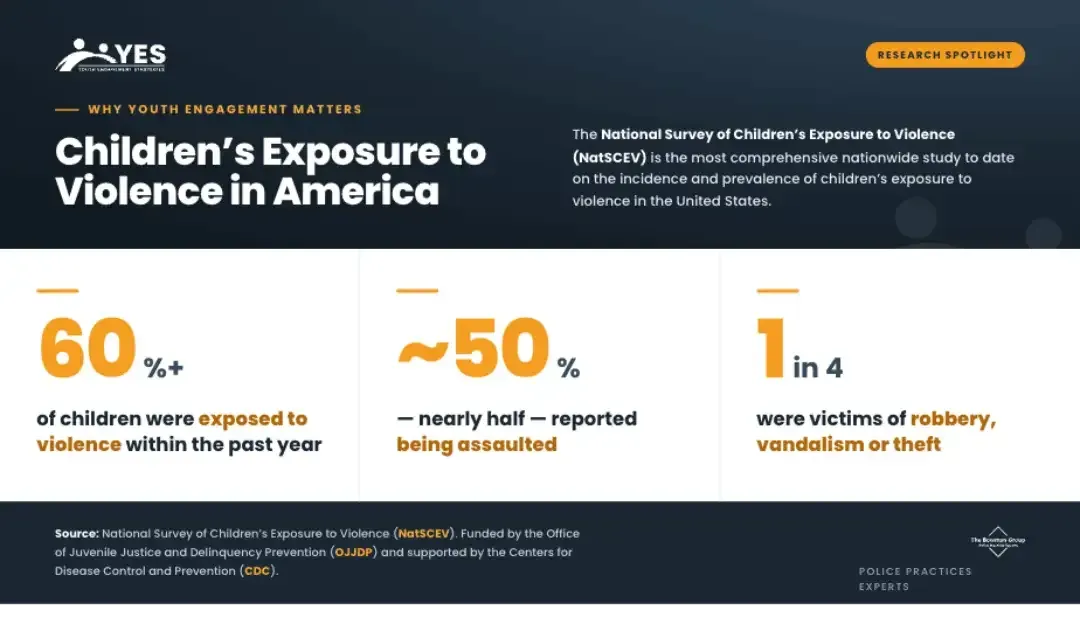
Data* shared during the training surprised many. Research consistently shows:
Nearly half of children report being assaulted at least once in the past year
1 in 4 children witnesses or experiences family violence
60% of children in the United States will be exposed to some form of violence, abuse or significant trauma before they turn 18
The training helped participants understand that the behavior they see on the outside rarely tells the full story:
The habitually disruptive child may be exhausted from sleeping on different couches each week.
The teenager who seems disengaged may be carrying something she has never told a single adult.
And sometimes, the cheerful, compliant child who says yes to everything may be doing so because somewhere along the way, she learned that her safety depends on it.
One participant summed it up in the chat during the session: "Seeing things differently now from the kids I work with."
That’s exactly the shift the training fosters, said YES instructor Cynthia Erich, a former senior policy advisor at the U.S. Department of Justice with more than 20 years of experience supporting children exposed to violence.
“This is not a life or death sentence,” Ms. Erich said. “It can all be changed with one caring adult.”

The Question We Ask Matters
One of the most practical moments of the training stems from a deceptively simple reframe.
When a young person is struggling, lashing out, or withdrawing, the instinct for many adults is to ask, “What is wrong with you?”
Whether the question stems from genuine care or frustration, YES training teaches that it is often the wrong starting point. It makes the child the problem rather than asking what problem the child might be responding to.
The better question is: “What is going on with you? What has happened to you? What might you be carrying?”
The small shift can move the adult from judge to ally.
Trusted Adults as First Responders
Throughout the May session, a theme emerged: Trusted adults are often among the first to notice when something changes, as Mr. Harrell noted.
“If we assume they don’t care, we may pull away,” said Mr. Harrell, who has spent more than 20 years working with youth. “But if we recognize what might be underneath, we are more likely to move toward them with care.”

YES program developer and criminologist Jaya Davis, Ph.D., noted that those early warning signs are often subtle, a reality she has seen throughout her work with juvenile delinquency and juvenile justice systems.
“And if we’re not looking through a trauma-informed lens, it’s easy to miss them or misinterpret them,” Dr. Davis said. “But when we do recognize those signs early, we create an opportunity to step in with care, before a situation becomes a crisis.”
Three Things Every Adult Working with Youth Can Do
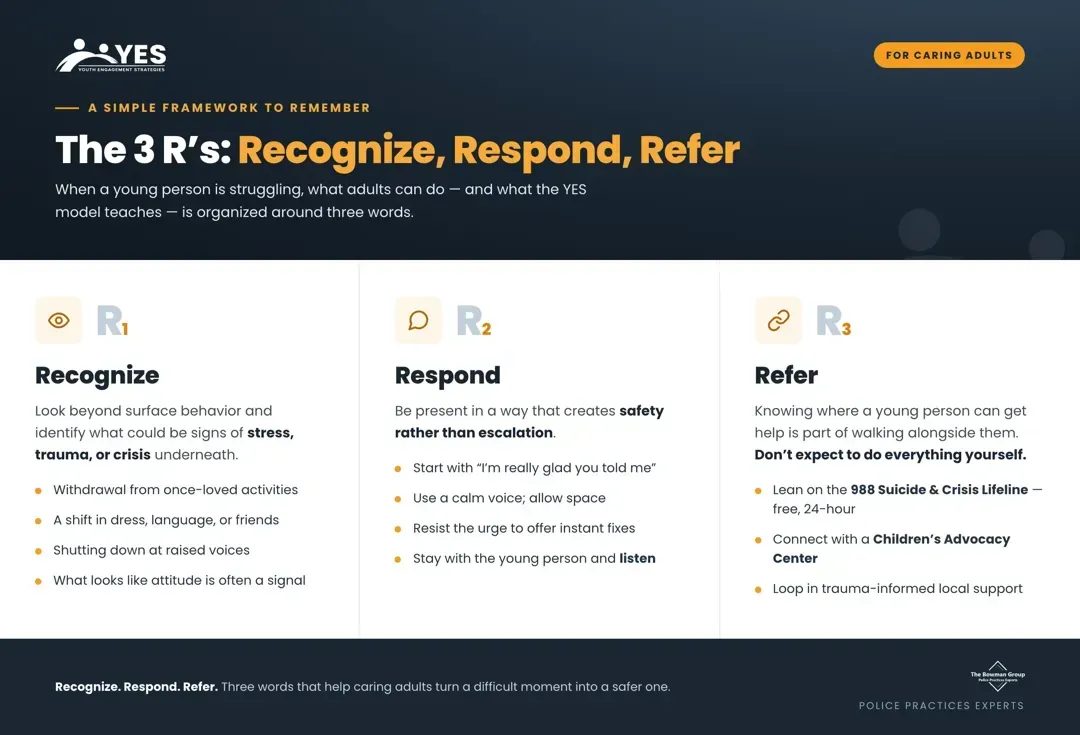
YES training doesn’t ask adults to become therapists, forensic interviewers, or crisis counselors. It gives them practical tools to:
1. Recognize
Look beyond surface behavior and identify possible signs of stress, trauma, or crisis underneath. Changes in behavior, activities, appearance, language, friends, or emotional response may be signals that something is wrong.
2. Respond
Be present in the moment in a way that creates safety rather than escalation:
Before anything else, say "I'm really glad you told me."
Use a calm voice
Allow some space
Resist the urgency to offer immediate fixes
Simply stay with the young person and listen
3. Refer
Know where a young person can get help and do not expect to do everything yourself.
Lean into resources like the 988 Suicide and Crisis Lifeline, a free, 24-hour option designed for moments when a child expresses something you are not equipped to handle alone.
Children's Advocacy Centers exist in communities across the country to provide specialized, trauma-informed support for children who have experienced abuse or exploitation.
REMEMBER: The caring adult's role is to be the BRIDGE, not the destination
What Changed for Participants
As YES trainers offered scenarios and question prompts, participants responded with honest, vulnerable, and occasionally heartbreaking reflections.
One participant shared that their son had been acting out for months before they discovered he was being bullied.
Another described a girl whose classroom disruptions were later understood as a response to abuse at home.
A third wrote simply: Not listening to them enough. Recognizing there is a problem.
The key word: recognition.
Participants gained knowledge, but more importantly, their perspectives shifted. And when perspective changes, so does what we are able to see, say, and do in the moments that matter.
Expanding the Work
The faith-based session is one example of The Bowman Group’s broader YES work across law enforcement, juvenile justice, schools, healthcare, and community settings.
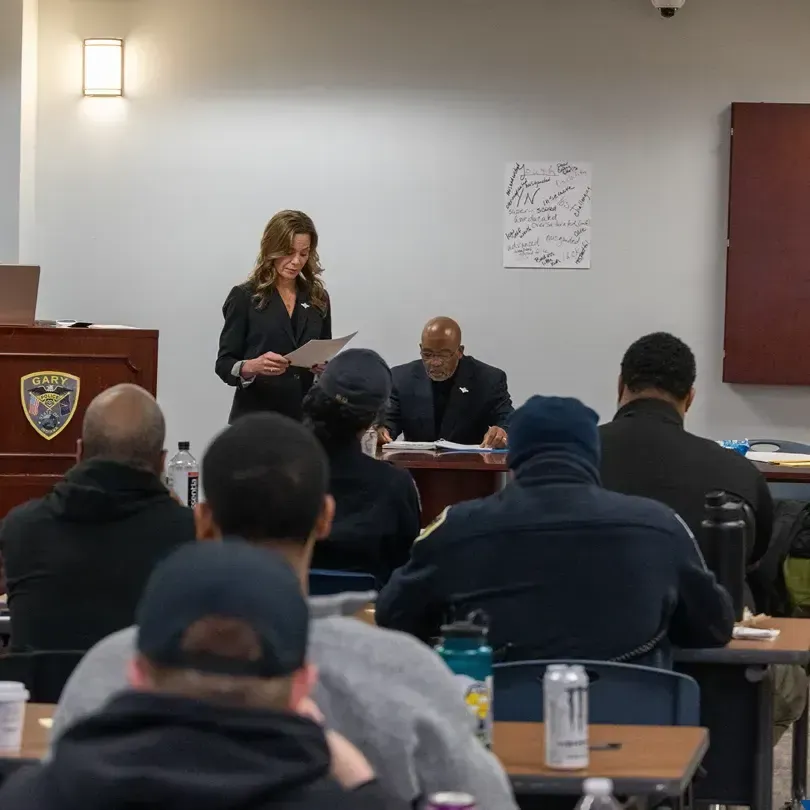
The in-person YES training model recently conducted for the Gary (Indiana) Police Department prompted Police Chief Derrick Cannon to say, “Youth Engagement Strategies is a good interrupter—it helps break the cycle between juvenile delinquency and later adult criminal behavior.”
The Bowman Group offers on-site and multi-session YES training programs that go deeper with facilitated scenario practice, customized content, and training experiences built around each community's specific challenges and needs.
The Question We Left Participants With
At the close of the online May session, The Bowman Group’s CEO and Founder, Theron L. Bowman, Ph.D., left participants with a final question:

"One consistent, caring adult can change the trajectory of a young person’s life. That’s the role you carry, not to fix everything or to have all the answers, but to recognize, respond and help connect."
"You have the influence, the access and the trust."
"The question is: What will you do in that moment?"
"Will you pause? Will you listen? Will you help them find a path forward?"
"Because what you do in that moment may be the moment that changes everything for them."
Youth Engagement Strategies (YES) equips professionals and community leaders with practical, evidence-informed tools to better interact with youth, reduce escalation and risk, and build trust with children experiencing trauma, crisis or mental health challenges.
For the full list of resources and to learn more about bringing YES training to your organization or community, visit yes.tbowmangroup.com or contact us at [email protected] or (817) 502-9197.
The Bowman Group | Police Practices Experts | Minimizing Risk. Building Trust.
YES at a Glance
What YES Delivers
YES supports safer youth encounters by aligning developmentally appropriate approaches with the standards organizations must defend after the fact.
Safer Youth Encounters
Reduced Escalation Risk
Clearer Decision-Making
Practical Communication Tools
Consistent Responses
Leadership Reinforcement
Who YES Supports
YES supports professionals who regularly engage with youth in high-pressure situations and need a practical approach that improves communication, safety, and outcomes.
Law Enforcement
Judicial Systems
School-Based Officers
Healthcare Professionals
Faith-based Organizations
Violence Reduction Initiatives
Consultation Available
Ready To Strengthen
Youth Encounter Outcomes?
Schedule a free consultation to discuss your current challenges, training goals, and delivery options. We'll recommend a practical, tailored approach to strengthen safety, consistency, and youth engagement outcomes.

The Bowman Group is a nationally recognized public safety consulting firm that helps organizations reduce risk, rebuild trust, and strengthen safety and collaboration. Led by former police chiefs and public safety leaders, the team brings decades of experience in public safety, leadership, youth engagement, and cross-sector partnerships. We provide practical, values-driven solutions that support consistent, defensible, and sustainable outcomes.
Phone: 817-502-9197
Email: [email protected]
Quick Links
Business Hours
monday: 8am - 5pm
tuesday: 8am - 5pm
wednesday: 8am - 5pm
thursday: 8am - 5pm
friday: 8am - 5pm
Copyright 2026. The Bowman Group. All rights reserved.
